
How to Plan a Winter City Break in Europe
Planning a winter city break in Europe isn’t one-size-fits-all. The continent has two completely different winters: the cold, short-day version in northern and central Europe, and the mild, slow-season version in the south. Treat them the same and one of them will disappoint you. Here’s how we recommend planning each one effectively.
Understand the daylight you’re working with
Northern cities like Zurich, Vienna or Copenhagen give you only five to six usable outdoor hours in December. Southern cities like Lisbon, Valencia or Palermo offer noticeably longer daylight, which shifts your daily rhythm. Daylight matters more in winter than almost anything else — it dictates pacing, energy levels and what’s realistically doable.
Choose a city that matches your winter mood
Northern Europe excels at cosy cafés, galleries, winter lights, classical concerts and that crisp cold-air atmosphere.
Southern Europe offers bright afternoons, citrus season, empty viewpoints, outdoor terraces with blankets and quieter museums.
The best winter trip is the one where the climate matches what you actually want from the experience.
Pick accommodation for location, not amenities
In northern cities, staying central is key — you want to warm up, drop layers or reset quickly.
In southern cities, you can be slightly more flexible because walking longer distances in mild weather is still pleasant.
Either way, the neighbourhood matters more than the hotel facilities.
Plan differently for north and south
Northern cities work best with two versions of your day:
– a clear-weather plan (views, riverside walks, seasonal markets)
– a grey-weather plan (galleries, thermal baths, indoor food halls, historic cafés)
Southern cities are simpler: one flexible plan with short outdoor moments layered between indoor anchors usually covers everything without stress.
Check winter-specific opening times — properly
Winter comes with small but important surprises: reduced hours, weekday closures, full refurbishments, boat lines operating only on weekends, cable cars running shorter timetables. We always recommend checking the schedules of the handful of places you genuinely care about and saving quick screenshots. It’s faster — and warmer — than searching on the street.
Be intentional about food
Northern cities fill up quickly, and wandering in the dark while looking for dinner rarely ends well. We suggest having a couple of lunch and dinner options near each area you plan to explore.
Southern cities feel more spontaneous, but even there many restaurants close for winter breaks, so booking the first evening is usually smart.
Understand winter transport quirks
Northern Europe’s public transport is reliable even in bad weather, though frosty mornings can delay early regional trains.
Southern Europe has fewer weather issues, but winter bus and ferry timetables are often minimal.
Everywhere, midday flights tend to run with fewer disruptions.
Dress for the winter you’re actually going to
Northern Europe needs layers, a warm mid-layer, a waterproof shell, proper boots and real gloves.
Southern Europe calls for lighter layers, a windproof jacket, comfortable shoes and a warmer sweater for evenings.
“Europe in winter” isn’t a single climate — pack for the city, not for the continent.
Keep your daily plan short
Two main things per day are enough. Winter itineraries collapse when they’re overloaded, and the best days have optional blocks you can expand or drop depending on weather, daylight and energy.
Where do we suggest you could spend pre-Christmas time in Europe
Winter city breaks peak in the weeks before Christmas — lights, markets, food and atmosphere. Here are a few destinations we recommend if you want something memorable without getting trapped in overcrowded hotspots.
Vienna, Austria – for classic elegance and grand Christmas markets
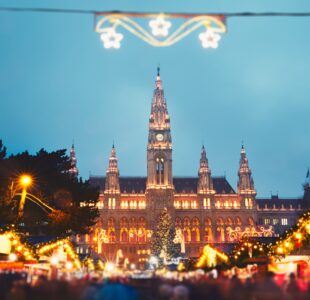
Vienna does winter incredibly well: polished decorations, beautifully lit streets, world-class cafés and iconic markets like Rathausplatz or Schönbrunn. It’s perfect if you want tradition, culture and a refined festive atmosphere rather than chaos and mulled-wine explosions.
Hallstatt + Salzkammergut, Austria – fairy-tale lakes and optional skiing
Hallstatt in December feels like someone painted a Christmas card and forgot to tell the village it isn’t real. Quiet mornings, frozen lake reflections, and mountain views everywhere. If you want to mix Christmas markets with a skiing day, nearby resorts (Dachstein West etc.) make it effortless.
Czech Republic beyond Prague – authentic markets without crowds
Prague is beautiful before Christmas, but also incredibly busy. If you want something more relaxed, České Budějovice, Český Krumlov and smaller South Bohemian towns offer atmospheric markets, good food and proper Czech winter vibes without shoulder-to-shoulder tourists. Ideal for travellers seeking a slower, more local experience.
Málaga, Spain – warm weather, lights and Mediterranean food
Málaga is one of Europe’s best warm-winter city breaks. The Christmas lights on Calle Larios are famous, the evenings are mild, and you can explore the old town or the port without winter layers. It’s perfect for travellers who want festive energy without freezing.
Alicante, Spain – bright days, coastal walks and relaxed Christmas mood
Alicante is quieter than Málaga but beautifully sunny in December. You get long seaside walks, castle views, easy day trips and a completely different take on Christmas — light, slow and outdoorsy. Great if you want a winter break with absolutely zero snow involved.
Coming soon: ready-made winter itineraries
We’re preparing a collection of winter city itineraries built around this planning method — including a one-day Zurich winter itinerary with indoor/outdoor swaps and realistic pacing. Once it’s published, we’ll link it here directly.
Winter city break ideas you can book immediately
Even the best self-planned city break benefits from one pre-booked experience — something effortless, seasonal and atmospheric. Here are a few winter-friendly options across Europe, each with a different vibe.
For lovers of medieval towns and cosy winter streets
Bruges & Ghent from Brussels — includes a canal cruise and a chocolate stop. Ideal for travellers who want winter charm without mountain weather.
For travellers who want an authentic Christmas market outside the usual Western Europe bubble
Bucharest → Craiova Christmas Market day trip — atmospheric, local, not overcrowded. Great if you want to see how Eastern Europe does winter festivities.
For sunshine seekers who still want a December city break
Valencia → Alicante Christmas trip with guided tour — mild weather, Mediterranean light, festive streets without winter stress.
For travellers who want a big-city Christmas done properly
London Christmas Day panoramic tour — empty streets, landmark views, classic London atmosphere without the crowds.
Related Posts
Leave A Reply